-
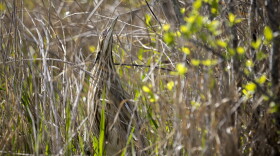 This stocky wading bird can be found in our region, but they are rare and very elusive.
 -
 Connecticut Audubon's Osprey Nation reports a record decline in osprey nesting productivity in 2026, raising concerns about fish populations and the health of the Long Island Sound.
 -
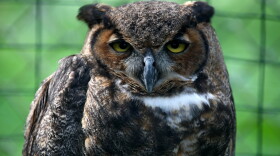 Big eyes and stealthy wings — the Great Horned Owl is perfectly adapted for life after dark.
 -
-
 Save the Sound has released its report card grading the health of spots around Long Island Sound.
 -
-
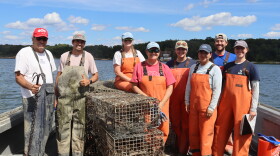 A recovery coalition has hauled up more than 4,000 abandoned lobster traps since its launch four years ago.
 -
 Fall foliage puts on a beautiful show, but those changing colors can also tell us something about the health of our trees. Discovery Deep Dive looks at the science behind autumn leaves, and how weather and climate can change the timing of the season.
 -
 The Eastern Bluebird became New York’s official state bird in 1970 after decades of back-and-forth!
 -
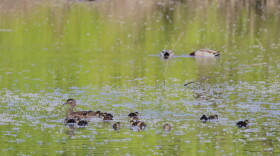 Recognized by its slicked-back crest, the Wood Duck is a common freshwater resident that can be seen in our region all year long.

© 2026 WSHU
News you trust. Music you love.
Play Live Radio
Next Up:
0:00
0:00
Available On Air Stations


